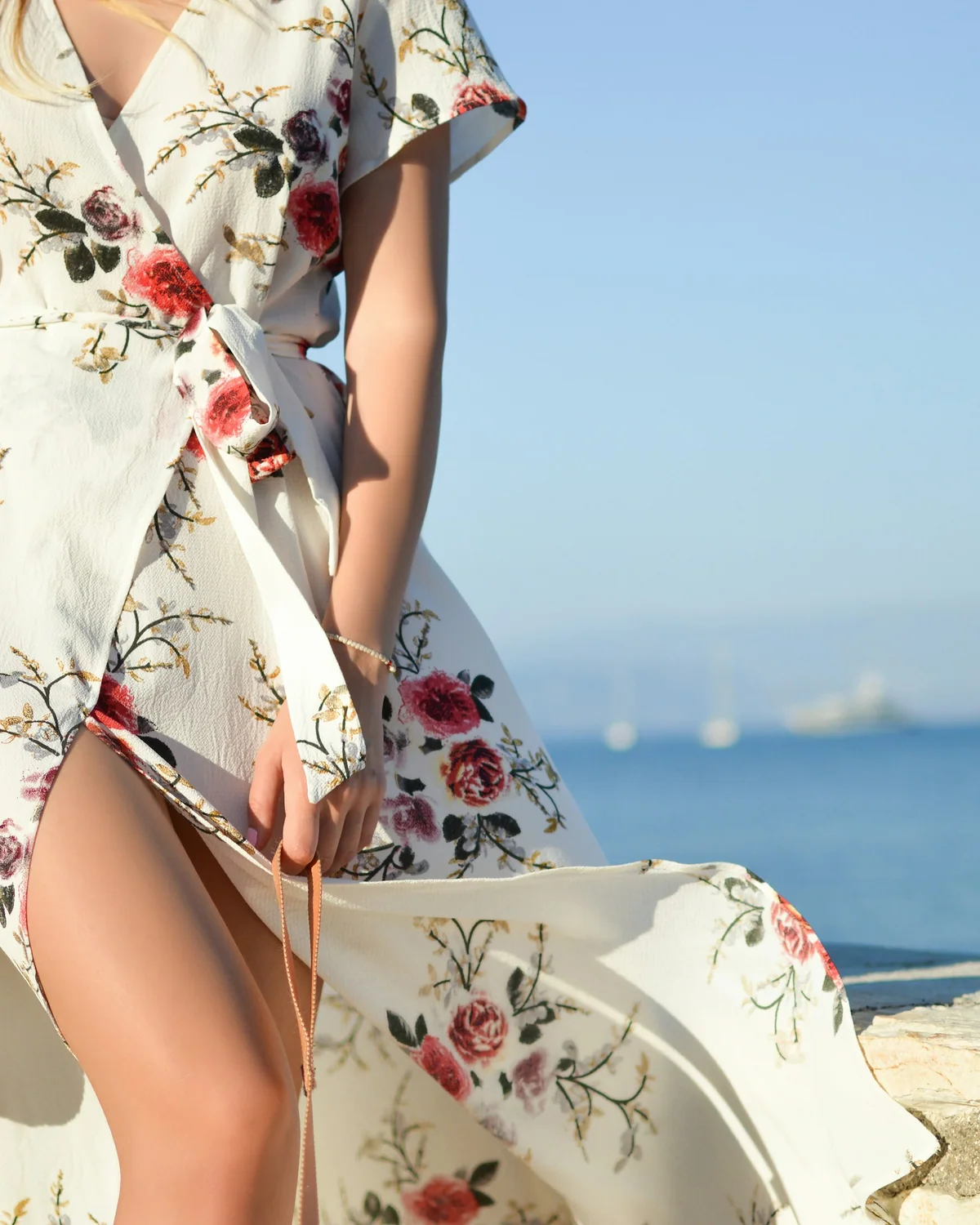
Dresses
How to Build a Wedding Guest Outfit Around One Summer Dress
A practical way to choose a summer wedding-guest dress around venue temperatures, ceremony seating, photographs, and the shoes you can actually wear all day.
Independent fashion journal
The Modern Her Wear library
Browse real-life styling, fit and fabric guidance, wardrobe planning, and product checks across ten focused women's fashion categories.
Showing 50 guides
A practical way to choose a summer wedding-guest dress around venue temperatures, ceremony seating, photographs, and the shoes you can actually wear all day.

Choose a little black dress by neckline, stretch, hem, and layering options so it works for dinner, travel, work events, and future celebrations.
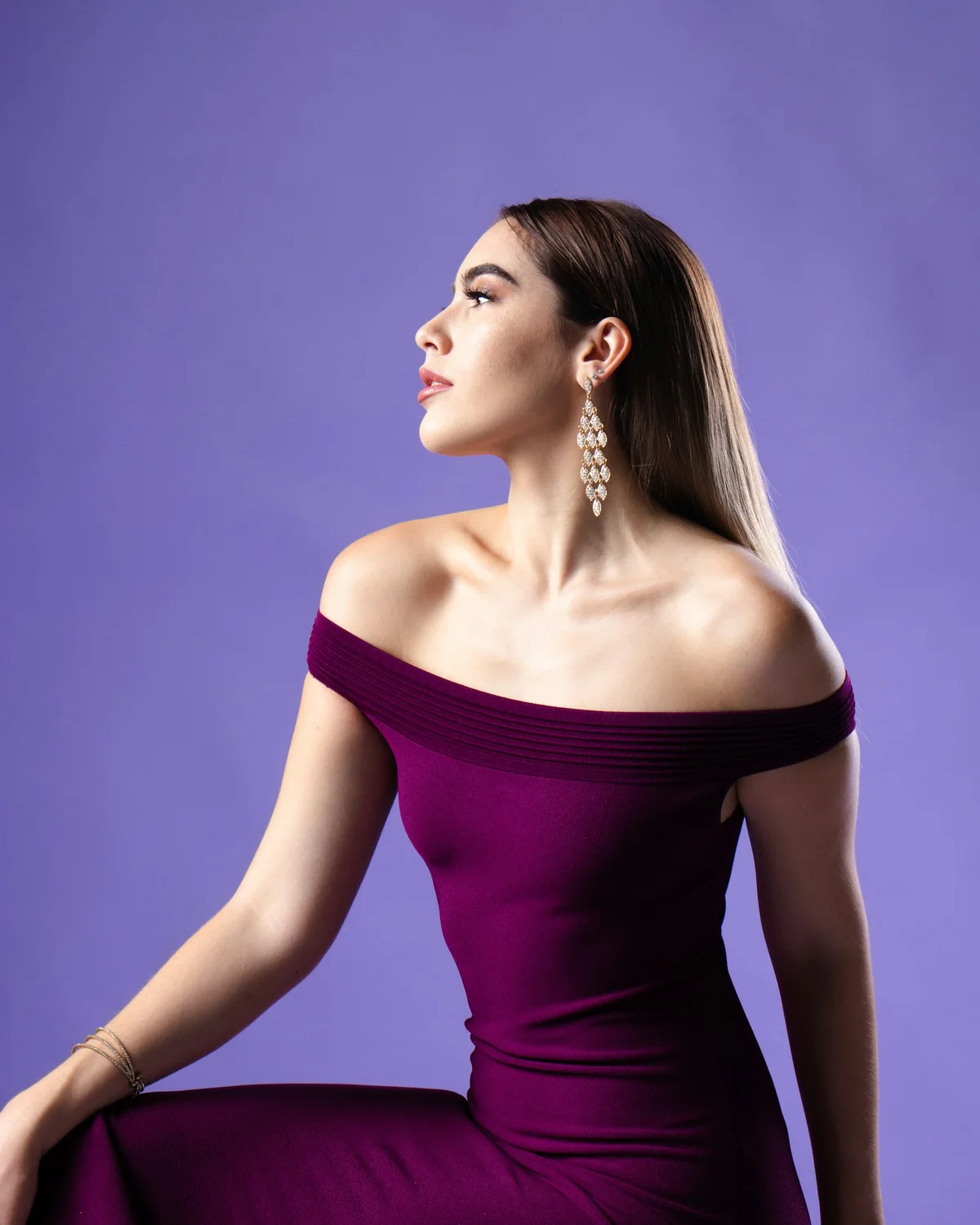
A work-to-weekend guide to midi dresses covering waist placement, walking ease, sleeve coverage, and the layers that keep the outfit polished indoors.
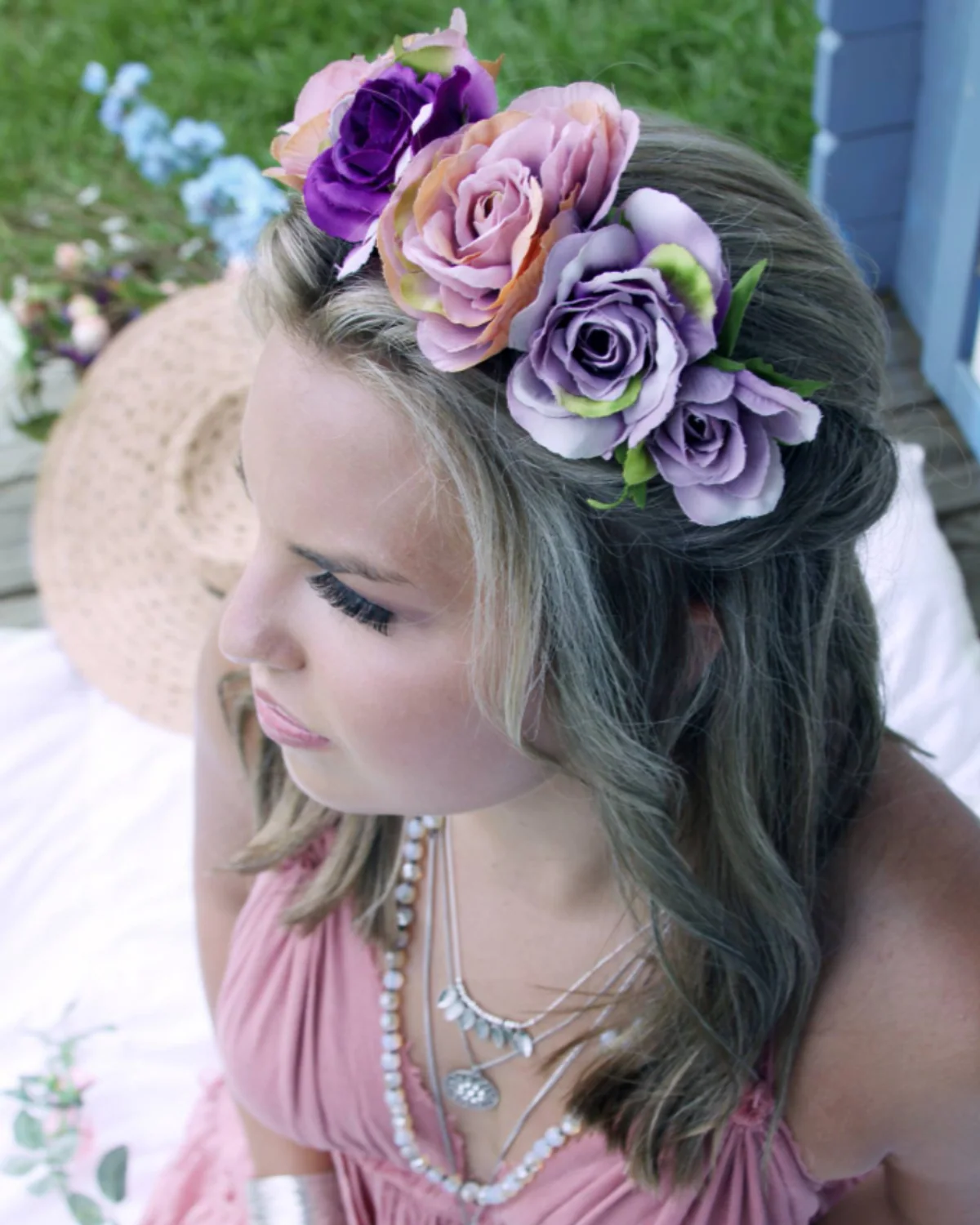
Choose spring floral dresses by print scale, lining, sleeve coverage, and layer compatibility for garden events, showers, lunches, and changeable temperatures.
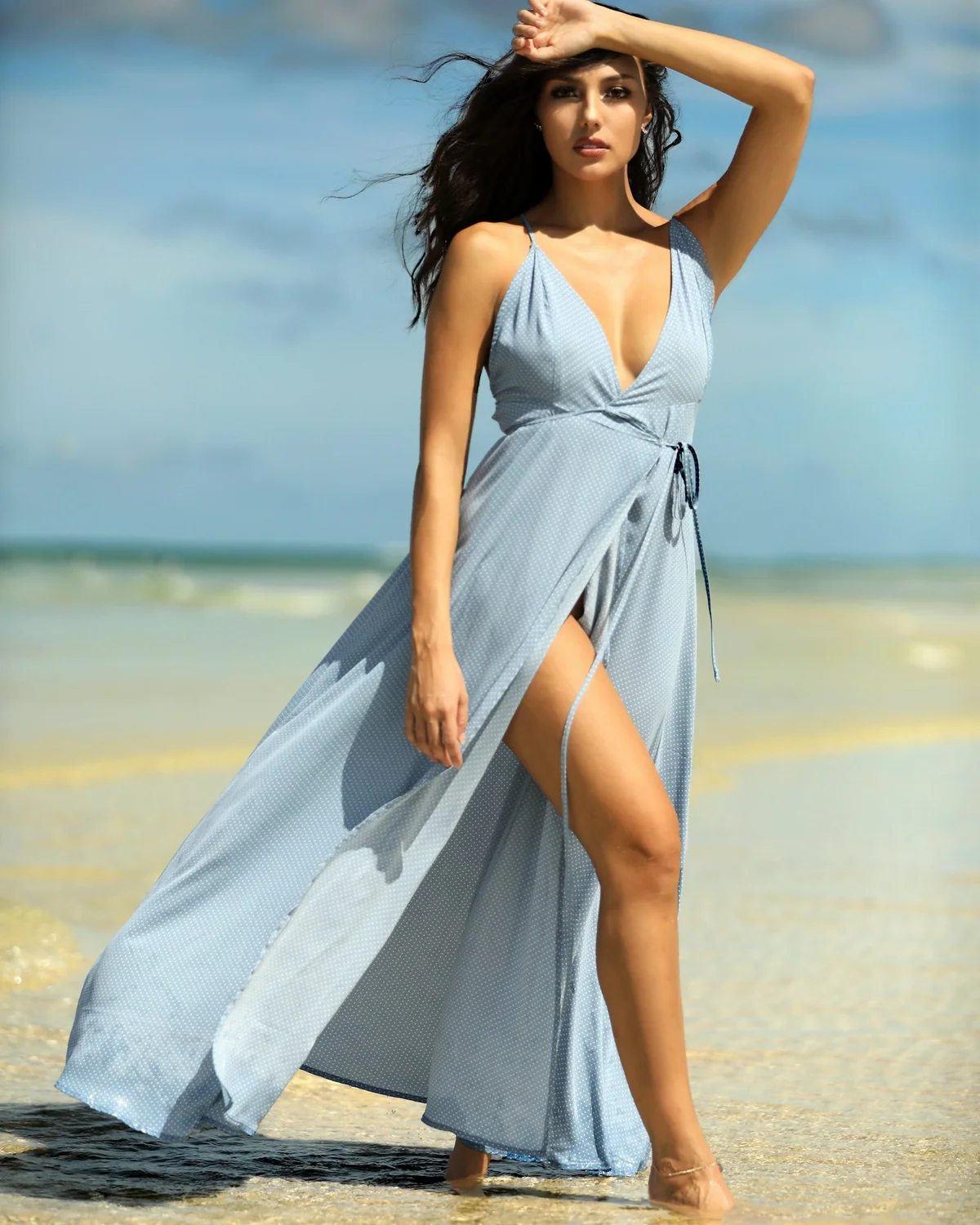
Use garment measurements, torso length, waist placement, and finished hems to choose dress lengths that suit petite, tall, and altered proportions.

A fit-first white shirt guide covering opacity, shoulder placement, bust room, button gaps, sleeve length, and tuck options for work and casual outfits.
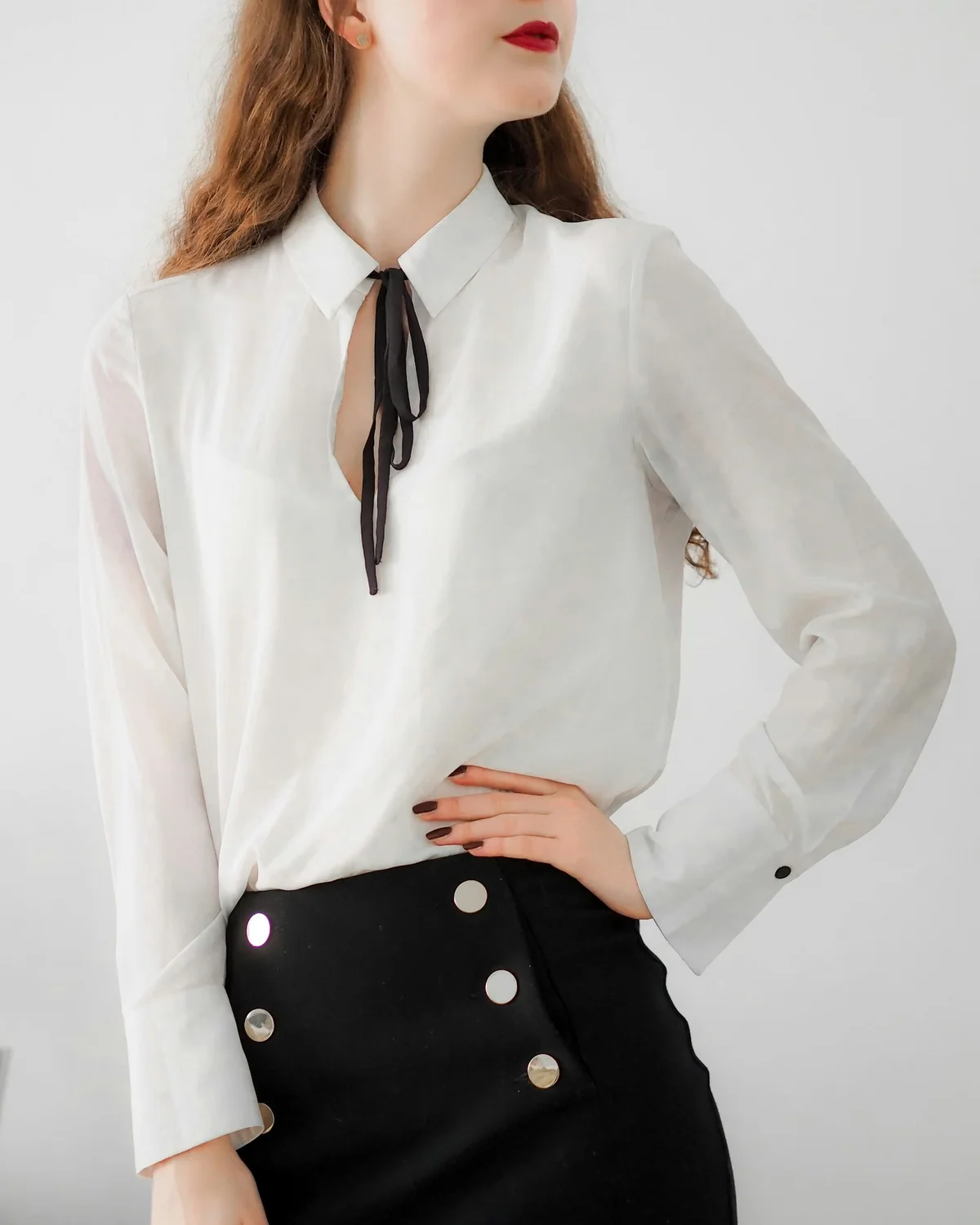
Compare linen and linen-blend blouses by weave, opacity, wrinkle tolerance, airflow, and layer compatibility for commuting and air-conditioned workplaces.

A practical bodysuit guide covering torso length, closure placement, stretch recovery, bust support, and the layers that prevent pulling or discomfort.
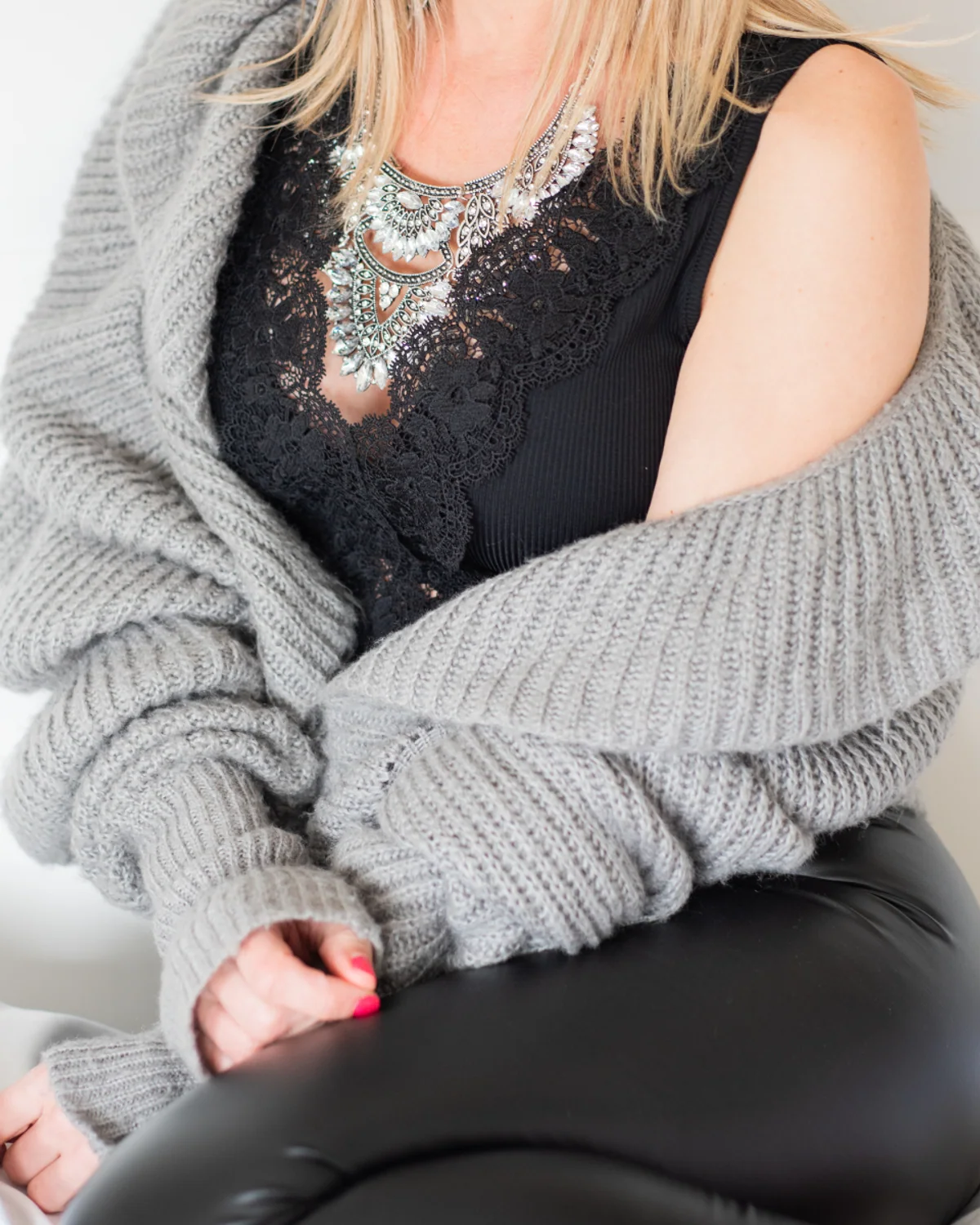
Choose transitional sweaters by fiber, gauge, warmth-to-bulk ratio, shoulder fit, and the number of layers needed across a changing day.
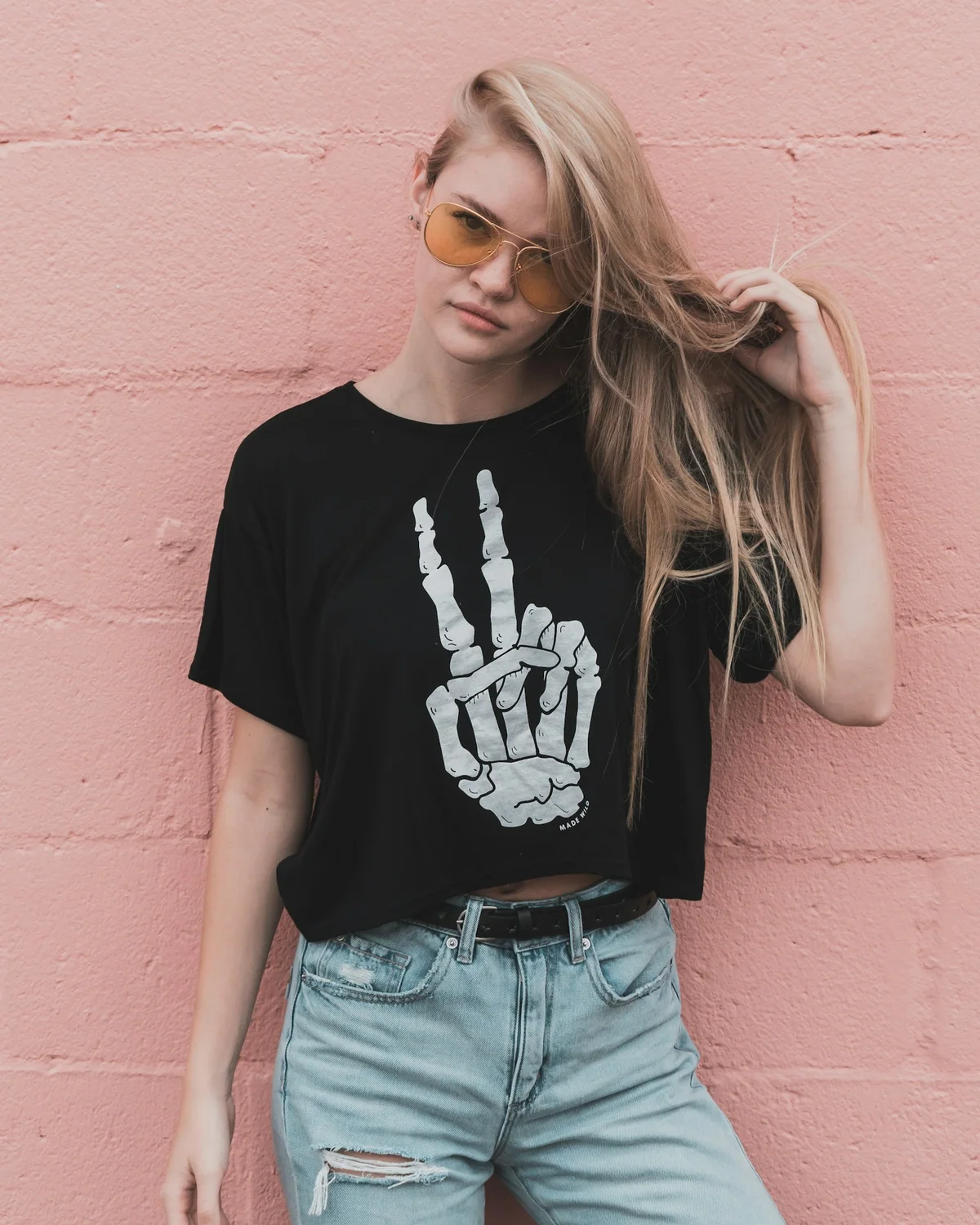
Use a simple checklist for neckline, shoulder seam, sleeve shape, fabric weight, opacity, and body length to find T-shirts that keep their shape.
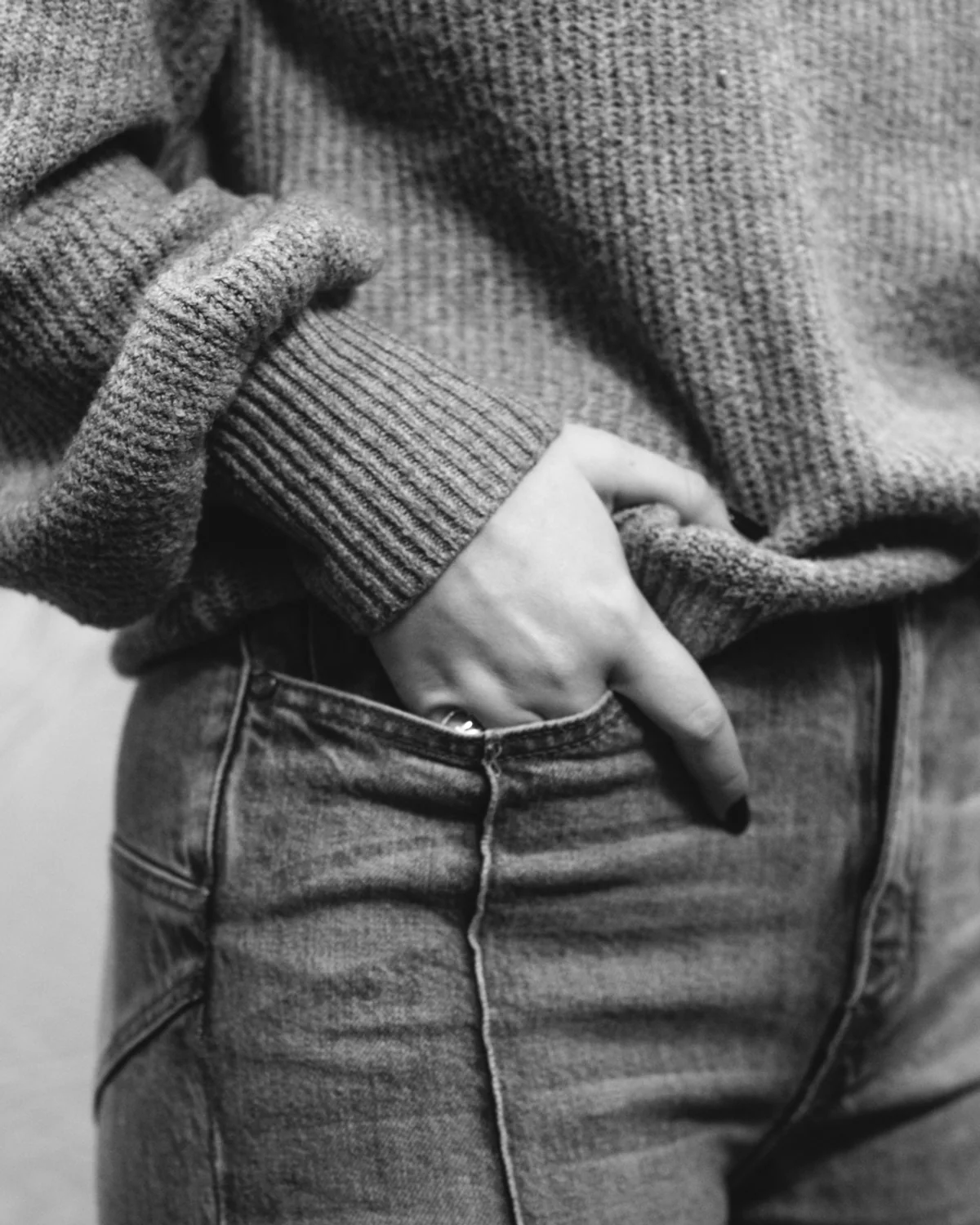
A fit guide for high-waisted jeans on curvy frames, covering waist-to-hip ratio, rise, stretch recovery, pocket placement, and comfort while seated.

Build straight-leg denim around loafers, sneakers, and boots by checking hem opening, inseam, rise, and fabric weight before buying.

A petite-focused guide to wide-leg jeans covering rise, leg opening, inseam, shoe height, fabric drape, and realistic hemming choices.
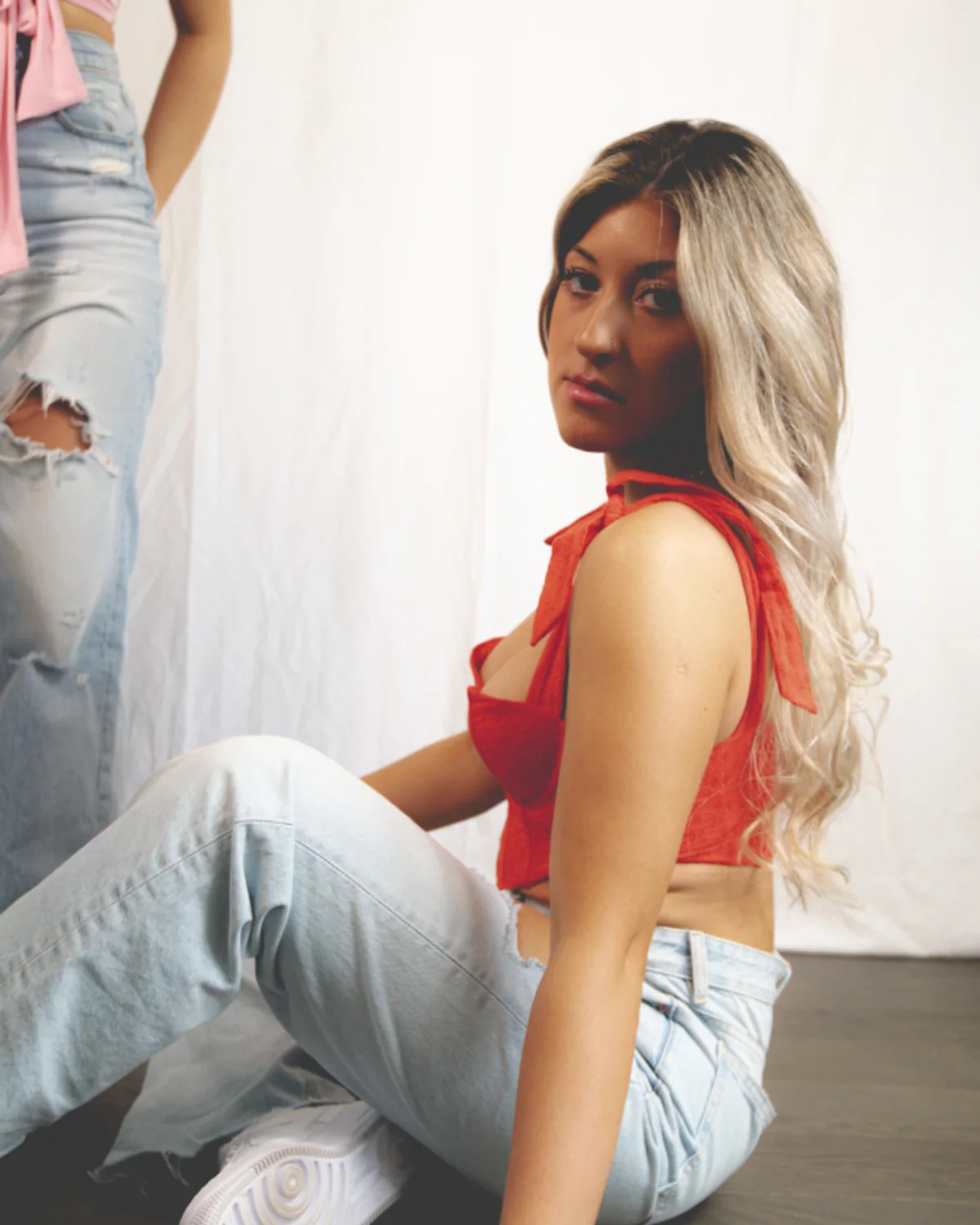
Choose white jeans by fabric weight, pocket construction, stretch recovery, waist fit, and the care routine that keeps them looking intentional.

A denim jacket guide covering wash, length, sleeve room, and the layers that make it work over dresses, knits, trousers, and denim.

Compare trench coats by water resistance, length, shoulder room, belt placement, venting, and how they behave over work layers and bags.

A winter workwear guide to wool content, lining, wind resistance, length, and layering room for commutes and heated offices.

Choose a leather jacket by shoulder room, sleeve length, lining, material, hardware, and its ability to work with jeans, dresses, and tailored trousers.

Compare puffer coats by fill, loft, shell protection, length, hood design, and the movement needed for walking, driving, and transport.

Compare a blazer and cardigan by workplace dress code, shoulder line, closure, fabric weight, and the bottoms you wear most often.
A practical white sneaker guide covering width, cushioning, outsole grip, upper material, cleaning, and compatibility with everyday outfits.
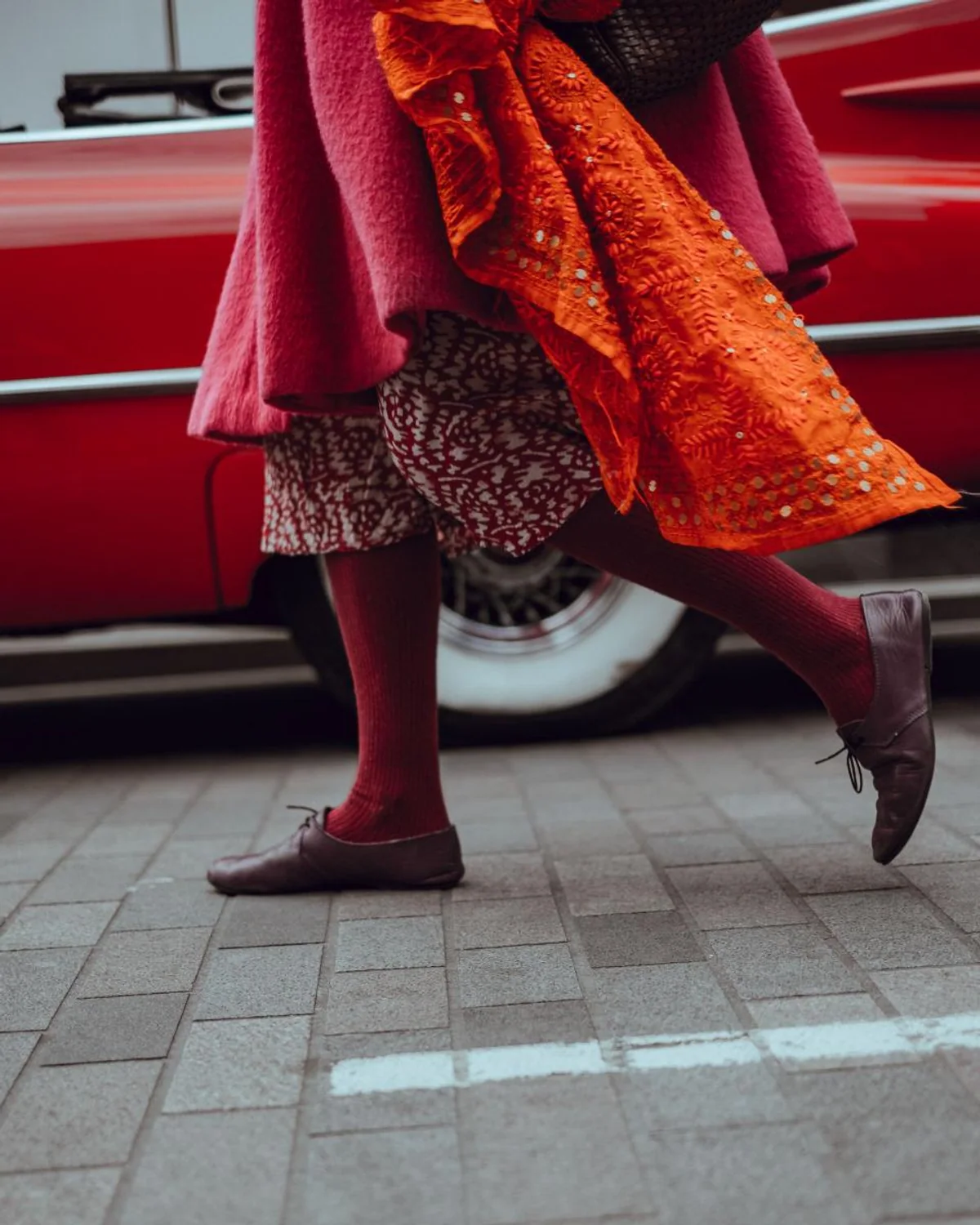
Choose work loafers by toe shape, heel, sole grip, upper material, and the walking distance between transport, meetings, and the office.
Choose fall ankle boots by shaft height, toe shape, heel, sole grip, weather protection, and compatibility with the trousers and skirts you own.

Evaluate ballet flats by toe-box room, heel grip, insole support, outsole flexibility, upper material, and the walking demands of your day.

Choose travel sandals by adjustable straps, arch support, grip, weight, blister risk, and whether one pair can cover walking and evening plans.

Choose a work bag by capacity, empty weight, strap drop, laptop protection, pocket layout, closure, and how it feels when fully packed.
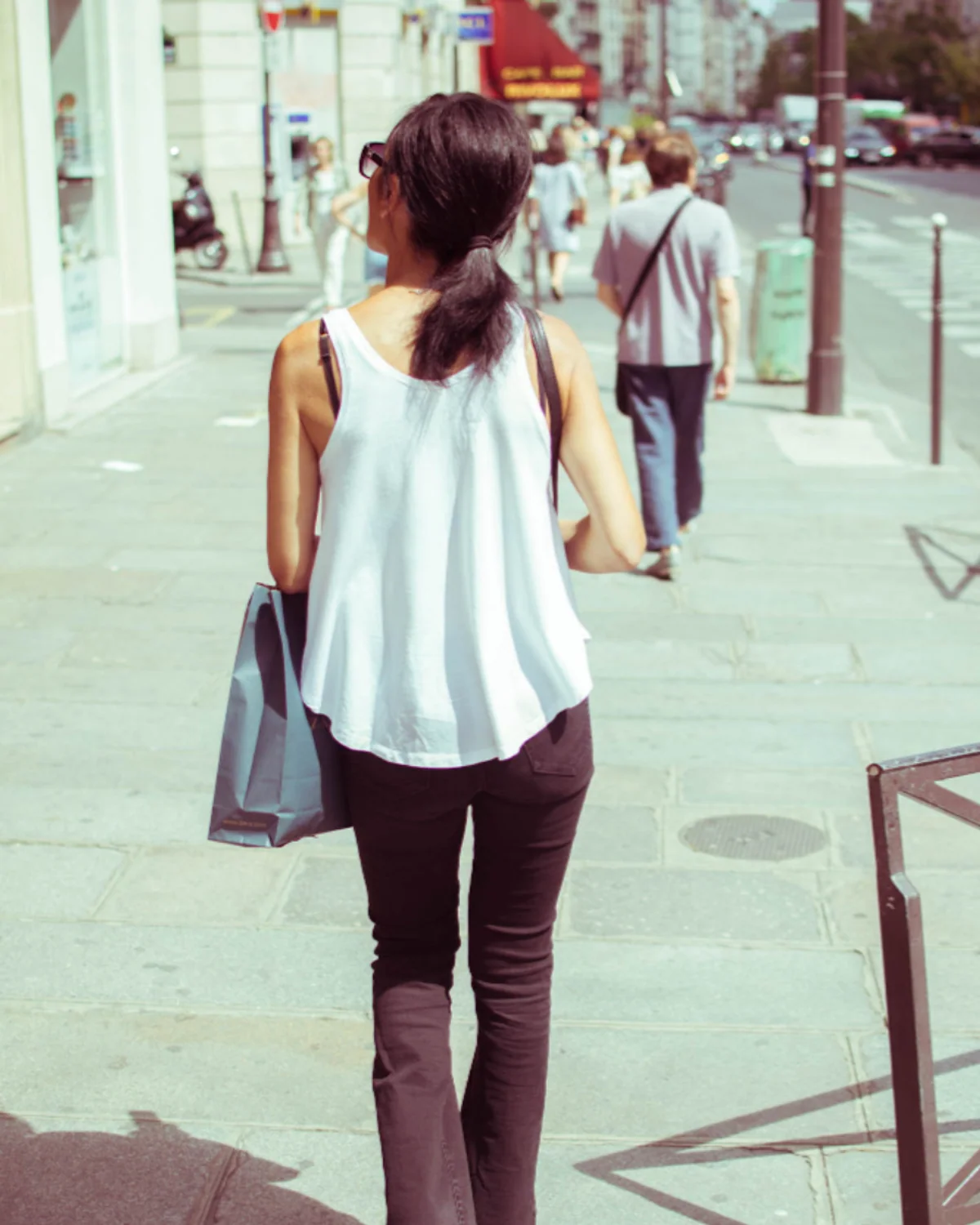
Compare personal-item totes by airline dimensions, closure, laptop sleeve, pocket access, empty weight, and how they fit under a seat when full.
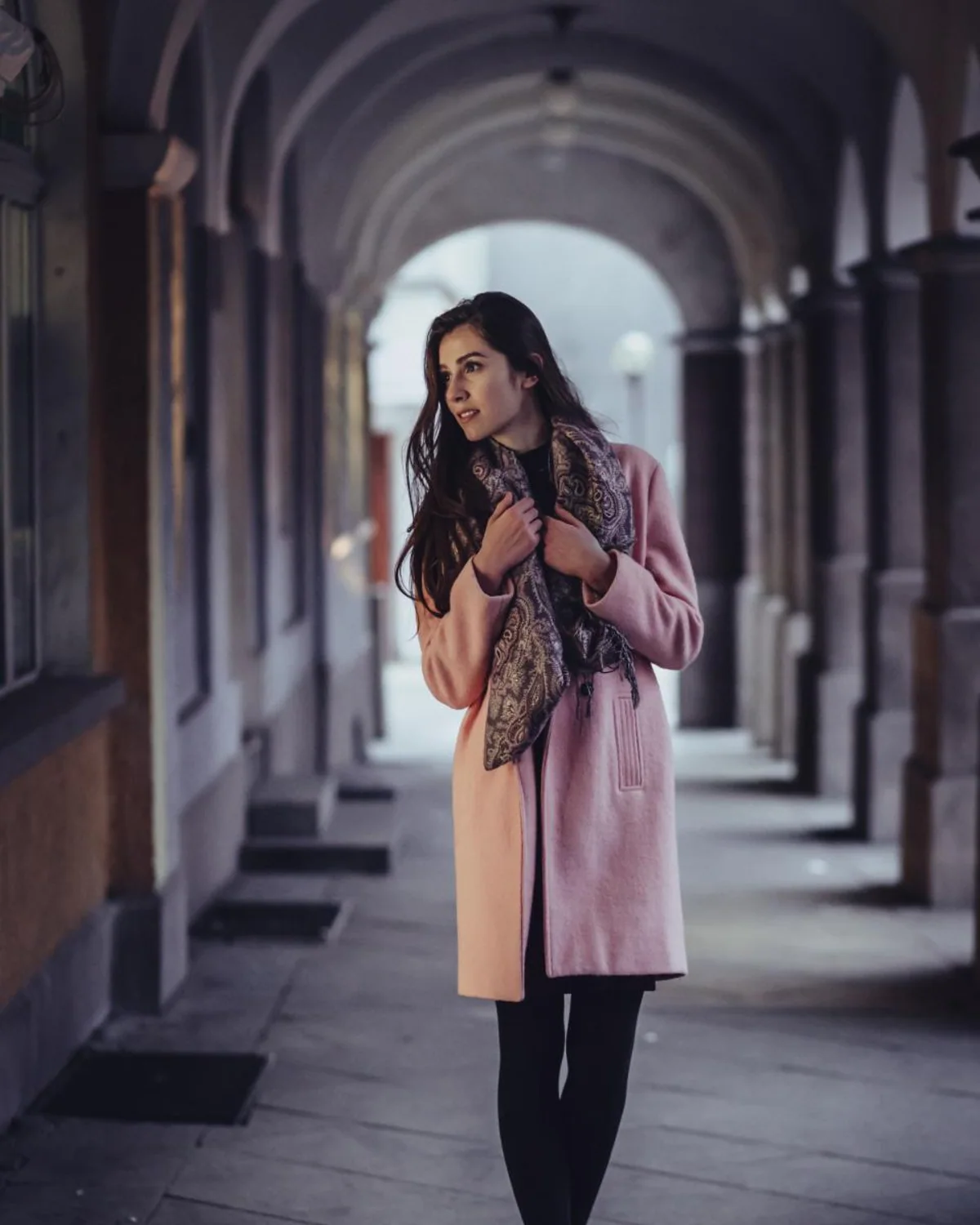
Use fabric weight, size, color, and neckline compatibility to choose scarves that add warmth without overwhelming an outfit.
Build a compact jewelry rotation around metal tone, scale, clasp security, comfort, and repeat wear instead of collecting isolated sets.
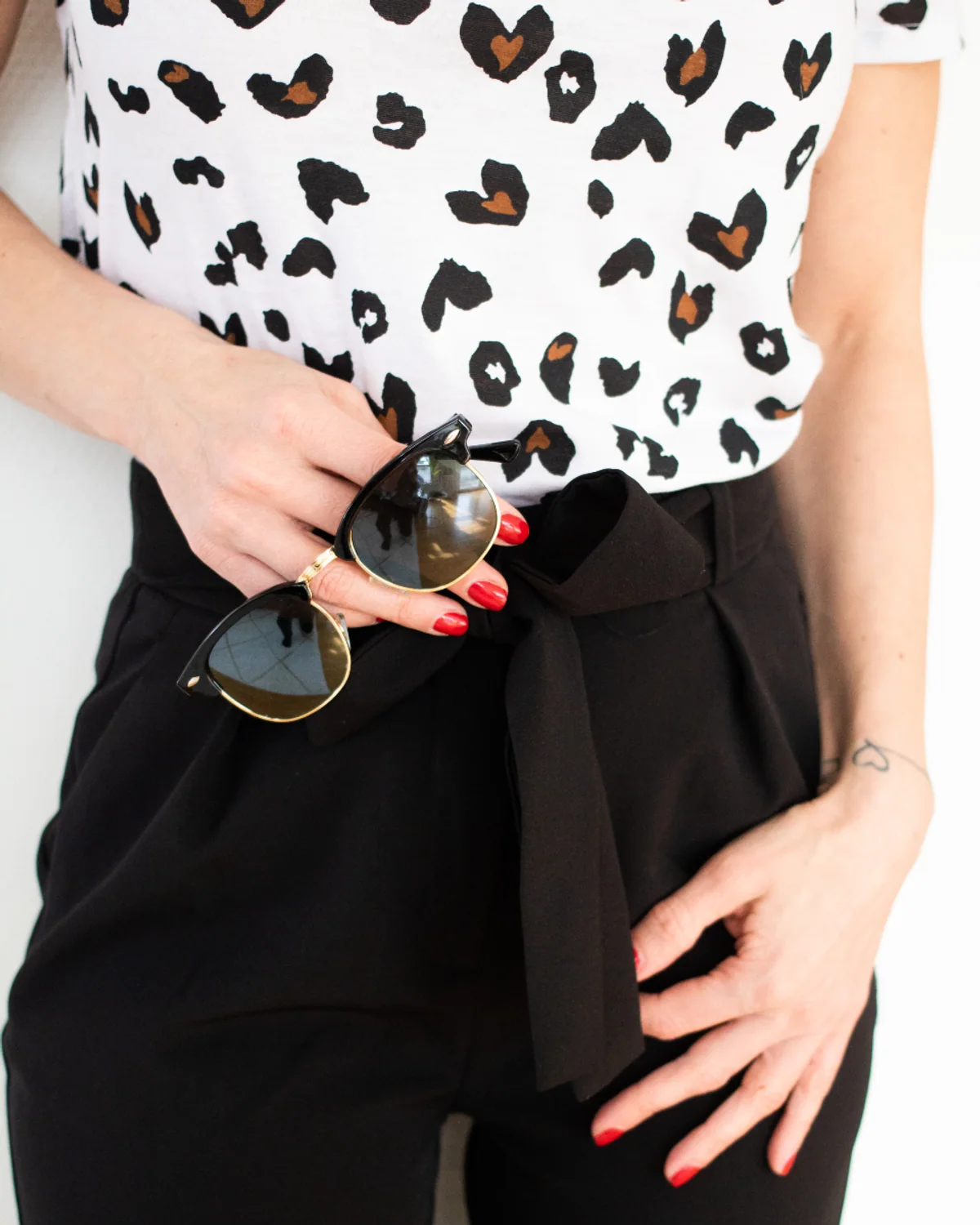
Choose sunglasses by frame width, bridge fit, temple comfort, lens protection, weight, and movement instead of relying on face-shape rules alone.

Build a fall capsule around layer weight, rain protection, shoe rotation, color coordination, and the temperatures in your actual local season.
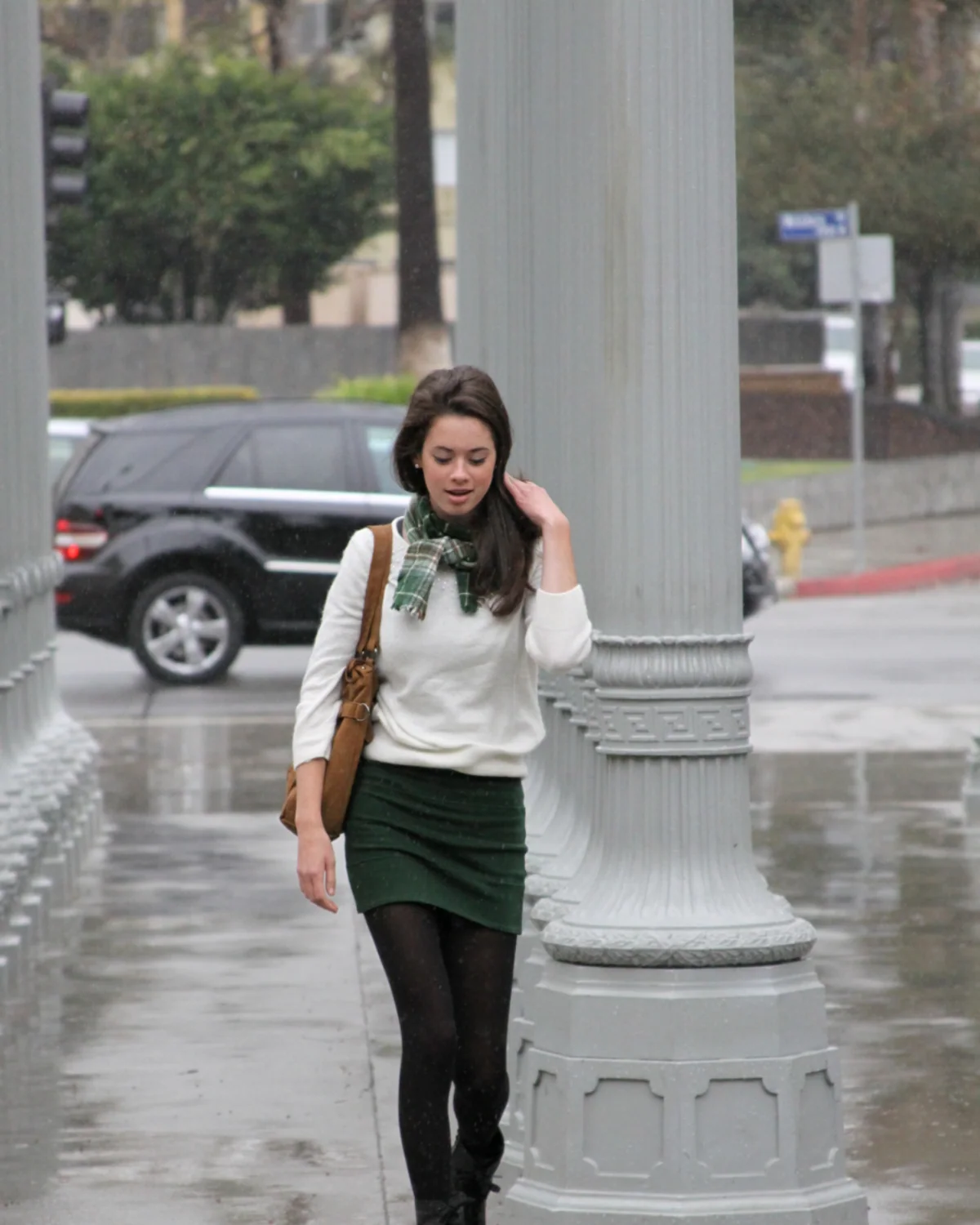
Plan spring outfits with removable layers, weather-ready shoes, breathable fabrics, and a small palette that works through changing temperatures.

Choose breathable fabrics, airy silhouettes, sun protection, and office-friendly layers for hot commutes and long summer days.

Use base layers, mid layers, and outerwear strategically to stay warm outdoors without overheating in offices and public transport.

Plan rainy-day outfits around water resistance, hem length, shoe grip, bag protection, drying time, and the indoor environment waiting at the destination.

Choose a wedding guest outfit from the invitation, venue, ceremony timing, weather, footwear, and the amount of movement required through the day.
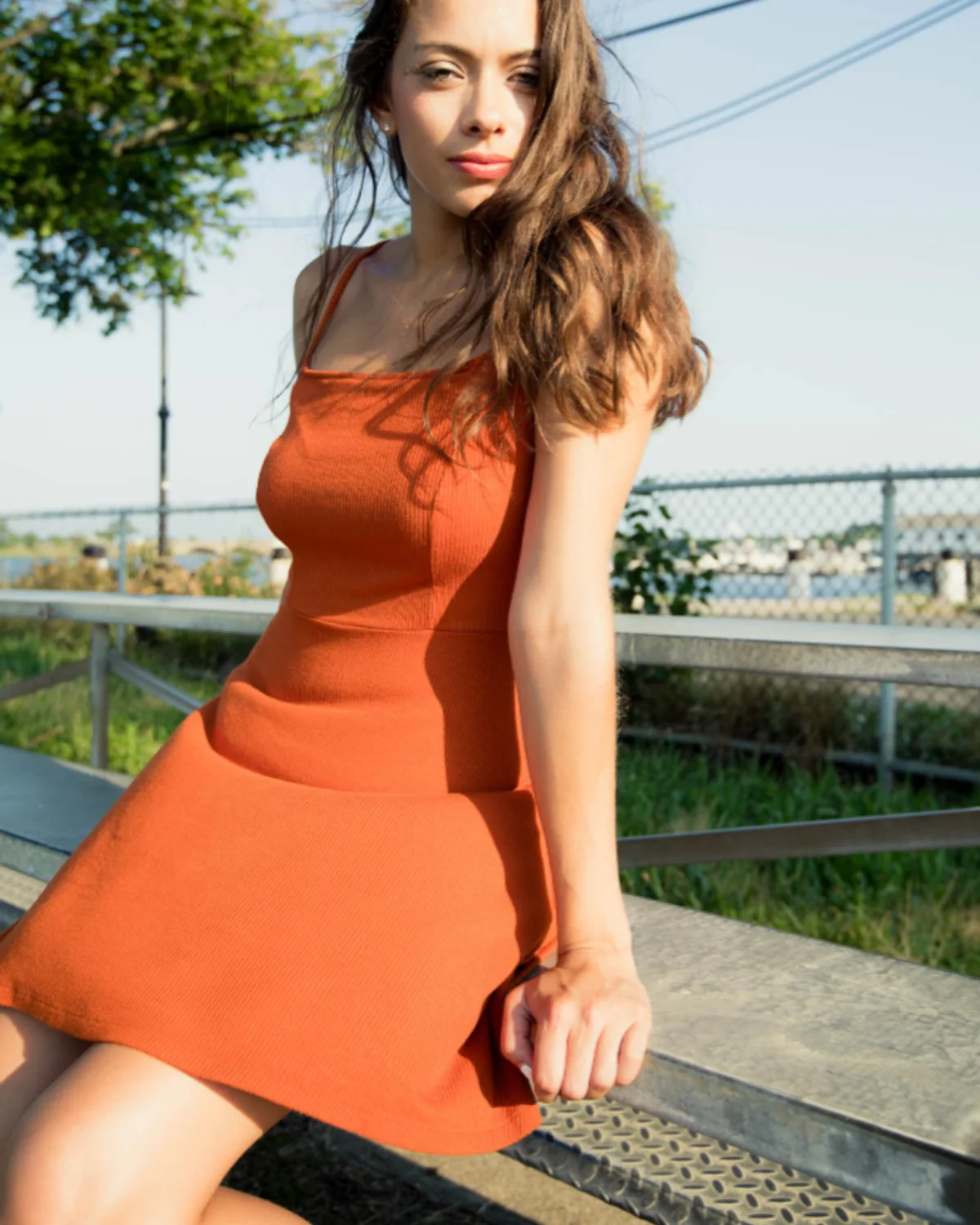
Build business-casual outfits around the real dress code, commute, meeting schedule, and the trousers, dresses, and layers you repeat most.

Plan date-night outfits around the venue, walking distance, weather, and comfort so the look works from the first reservation through the trip home.

Pack Europe travel outfits around walking comfort, weather layers, modest venue coverage, laundry, and a small color palette that mixes easily.
Choose brunch outfits with comfortable waistbands, practical shoes, weather layers, and pieces that continue working through the rest of the day.
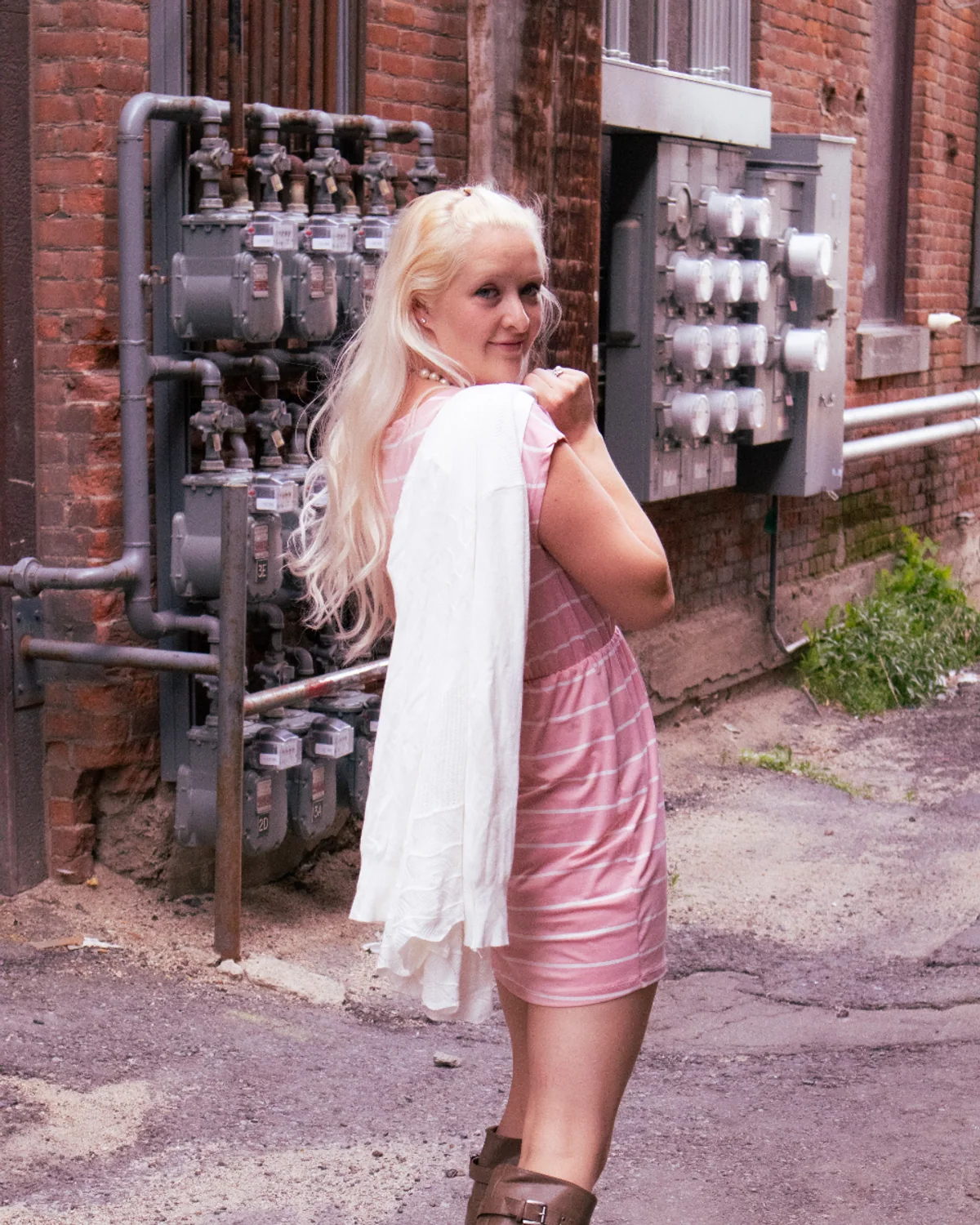
Build a 10-piece wardrobe around actual workdays, weekends, weather, laundry habits, and the shoes and layers that create the most combinations.

Use fit, texture, restraint, and repeatability to create a French-inspired wardrobe that reflects your routine instead of copying a stereotype.
Map the dress codes of your actual workweek, then build a capsule from trousers, skirts, tops, layers, and shoes that create reliable combinations.

Plan a ten-day travel capsule around weather, laundry access, shoe rotation, fabric drying time, and interchangeable outfits that fit one carry-on.
Use a wear log, repair, care, and selective replacement to create a lower-waste wardrobe without pretending that buying a new capsule is inherently sustainable.

Measure jeans that fit, compare rise and inseam across listings, check stretch and return policies, and build a shortlist before ordering multiple sizes.

Photograph repeat outfits, identify dominant neutrals and accents, and use those real colors to guide future clothing purchases.
Check fabric weight, seams, lining, closures, pattern matching, and stretch recovery to compare two garments before the price tag does the talking.
Track need, expected wear, season timing, size risk, and markdown cycles to decide when a clothing purchase is genuinely worth buying.
Review return windows, fees, exchange rules, packaging, and try-on timing before ordering clothing online so a good price does not become an expensive experiment.